Source High Accuracy Horizontal and Vertical Construction Laser Level for Layout, Alignment, and Leveling
Explore 30 options for high accuracy horizontal and vertical construction laser level tools suitable for layout, alignment, and leveling tasks. Compare models with varying line counts, accuracy ratings, and power supply types to find the right equipment for your construction needs.
Key considerations
Products List


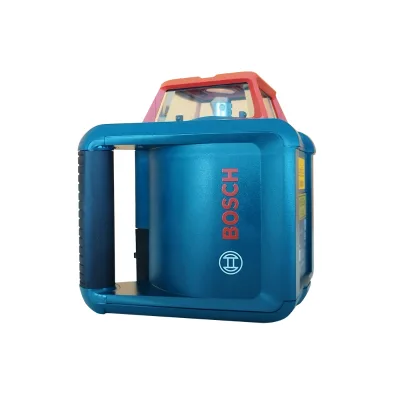


Comprehensive Sourcing Guide
Strategic Sourcing Guide for High-Accuracy Horizontal and Vertical Construction Laser Levels
Procuring high-accuracy horizontal and vertical construction laser levels requires a disciplined approach that balances technical precision with supply chain reliability. In the B2B construction and surveying sectors, the margin for error is minimal; a deviation in beam alignment can lead to significant rework costs and structural compromises. This guide synthesizes observed market data and technical specifications to provide a framework for evaluating suppliers and products. Buyers must navigate a complex landscape where attributes such as beam color, line count, and self-leveling ranges vary significantly between models. The following sections detail the critical factors for sourcing these instruments effectively.
Technical Specifications and Performance Metrics
The core of any procurement decision for laser levels lies in the technical specifications. When sourcing high-accuracy units, buyers must scrutinize the precision metrics, which are often expressed in millimeters per meter or inches per distance. Observed market data indicates that precision claims can range from ±0.2 mm/M to broader tolerances like 3mm over 10m. A high-accuracy instrument typically adheres to tighter tolerances, such as the observed ±1/16 inch at 20 feet, which is critical for finish work and fine carpentry. Conversely, rough grading applications may accept wider tolerances, provided the beam visibility remains consistent.
Beam configuration is another pivotal specification. The market presents a diverse array of line configurations, from single vertical lines to complex multi-line systems. Specific models in the supply chain feature configurations such as 12 lines, 16 lines, or combinations of horizontal and vertical lines. For instance, some units are specified with a "12-Line / 90mm / 1mm" standard, while others offer a "16-Line / 0.2mm" capability. The number of lines directly impacts the instrument's utility; a 16-line system offers comprehensive coverage for interior fit-outs, whereas a 2-line system might suffice for basic alignment tasks.
The physical characteristics of the beam also influence performance. Beam color is a primary differentiator, with Red and Green being the most common options observed. Green beams generally offer higher visibility in bright environments, which is a significant advantage for outdoor construction sites. The working distance is equally important; specifications range from 5 meters to 10 meters and beyond. Buyers should verify the "Distance" attribute against their specific project requirements, noting that some units are rated for 10m while others may be limited to shorter ranges. Additionally, the working face dimensions, such as 120*79mm, determine the size of the target area the laser can effectively cover without requiring multiple setups.
Compliance, Certification, and Safety Standards
Ensuring that laser levels meet international safety and quality standards is non-negotiable for B2B procurement. While specific certification statuses vary by manufacturer, the presence of recognized marks like CE is a baseline expectation for many models. Buyers must verify that the product documentation explicitly states compliance with relevant safety standards. The absence of such documentation should trigger a deeper inquiry into the manufacturer's quality assurance processes.
Beyond safety, the physical standards of the product packaging and shipping must be considered. Observed data includes specific packing standards, such as "BMC" or "Carton" packaging, with dimensions like 67.546.537cm for a 5-piece set. These dimensions are crucial for logistics planning and cost estimation. Furthermore, the material composition of the device, such as Aluminum Alloy, impacts durability and resistance to impact. A robust housing is essential for construction environments where drops and exposure to dust are common.
Cost Drivers and Pricing Structures
The pricing of laser levels is influenced by a complex interplay of factors, including precision, line count, battery technology, and brand reputation. The observed market price range is vast, spanning from $1.90 to $1,900. This wide disparity reflects the difference between basic entry-level units and high-end, multi-line systems with advanced self-leveling capabilities. Buyers should not equate low price with low quality, but they must also be wary of prices that seem disproportionately low for the claimed specifications.
Minimum Order Quantity (MOQ) is another significant cost driver. The observed MOQ range spans from 1 unit to 1,000 units. For small contractors or startups, suppliers with an MOQ of 1 are essential, whereas large distributors may require bulk orders to secure volume discounts. The customization options available, such as OEM support and custom branding, can also affect the final cost. Customized products often carry a premium due to the additional tooling and setup required by the manufacturer. Buyers must balance the need for customization against the budget constraints, understanding that higher customization levels typically result in higher per-unit costs and potentially longer lead times.
Typical Applications and Use Cases
Understanding the intended application is vital for selecting the right laser level. The construction industry utilizes these tools for a variety of tasks, from laying out foundation lines to installing suspended ceilings. High-accuracy models with 16 lines and precision of ±0.2 mm/M are ideal for interior finishing, where exact alignment is paramount. These units often feature a "Self-Leveling Range" of 4 degrees ±1 degree, allowing them to compensate for minor floor unevenness without manual adjustment.
For outdoor applications, the beam color and working distance become more critical. Green beam lasers with a working distance of 10 meters are preferred for site layout and grading. The "Horizontal Line: Vertical Line:2" configuration suggests a dual-line capability that is versatile for both wall alignment and floor leveling. Additionally, the "Working Time" of more than 7 hours ensures that the tool can last through a full workday without interruption, a key factor for productivity on large sites. The "Measure Method: Manual" indicates that some units may require manual calibration or reading, which is suitable for tasks where digital integration is not required.
Supplier Evaluation and Origin Verification
Evaluating suppliers requires a thorough check of their geographical origins and production capabilities. The supply chain for these instruments is global, with significant manufacturing hubs in China, Malaysia, and specific cities like Shanghai and Jinhua. The "prod_origin" and "place_of_origin" attributes provide insight into the manufacturing base. For instance, a product originating from Shanghai may have different logistical advantages compared to one from Jinhua. Buyers should verify the location of the factory to assess shipping times and potential tariffs.
Supplier reliability is further indicated by their support for customization. The availability of "OEM" support and "Customized" options suggests a flexible manufacturing process. However, buyers must ensure that the supplier has the capacity to maintain quality control while handling custom orders. The "warranty" of 1 year is a standard offering, but the terms of this warranty should be clearly defined. A supplier that offers a robust warranty and responsive after-sales support is preferable to one that offers a lower price but lacks service backing.
Quality Control and Long-Term Procurement Considerations
Quality control is the final gatekeeper in the procurement process. Buyers must implement rigorous testing protocols to ensure that the received units meet the specified accuracy and durability standards. The "Accuracy" attribute, listed as 3mm in some contexts, must be validated through independent testing. Similarly, the "Precision" of ±0.2 mm/M should be verified against the actual performance of the device in the field.
Long-term procurement considerations extend beyond the initial purchase. The "Power Supply Type" of 110—220V indicates universal voltage compatibility, which is essential for international operations. Buyers should also consider the "prod_packing" and "prod_standard" to ensure that the packaging protects the instrument during transit. The "Weight" of the unit, observed at 1.8kg or 4000g, affects portability. A lighter unit is easier to transport, but a heavier unit may offer better stability.
In conclusion, sourcing high-accuracy horizontal and vertical construction laser levels demands a comprehensive understanding of technical specifications, market dynamics, and supplier capabilities. By carefully evaluating precision metrics, compliance standards, cost drivers, and application requirements, buyers can make informed decisions that align with their project needs. The diversity of models, from the TWCO-LM-TD1607-G12 to the SK291R, offers a wide range of options, but the key to success lies in matching the specific attributes of the product to the specific demands of the construction task at hand.
FAQs
What is the typical accuracy range for these laser levels?
Typical accuracy ranges from ±0.2 mm/M to 3mm over 10 meters depending on the model. Some high-precision units achieve +/-1/16 inch at 20 feet, suitable for finish work, while others offer broader tolerances for rough grading tasks.
Which beam colors are available for construction laser levels?
Green and Red beam colors are the most common options observed in the market. Green beams generally provide higher visibility in bright outdoor environments, whereas red beams are standard for many indoor alignment applications.
Can I find suppliers offering OEM customization support?
Yes, many suppliers offer OEM customization support for branding and specific design requirements. Buyers should verify that the manufacturer can handle custom orders while maintaining quality control and meeting specific warranty terms.
What is the standard warranty period for these instruments?
The standard warranty period for these laser levels is typically 1 year. Buyers should ensure the supplier clearly defines the warranty terms and offers responsive after-sales support for any potential defects.
How does the self-leveling range affect usability?
A self-leveling range of 4 degrees plus or minus 1 degree allows the tool to compensate for minor floor unevenness. This feature ensures accurate alignment without manual adjustment, which is critical for productivity on large construction sites.
What are the common power supply requirements?
Most units operate on a universal power supply type ranging from 110 to 220 volts. This compatibility is essential for international operations and ensures the tool can be used in various regions without additional adapters.